
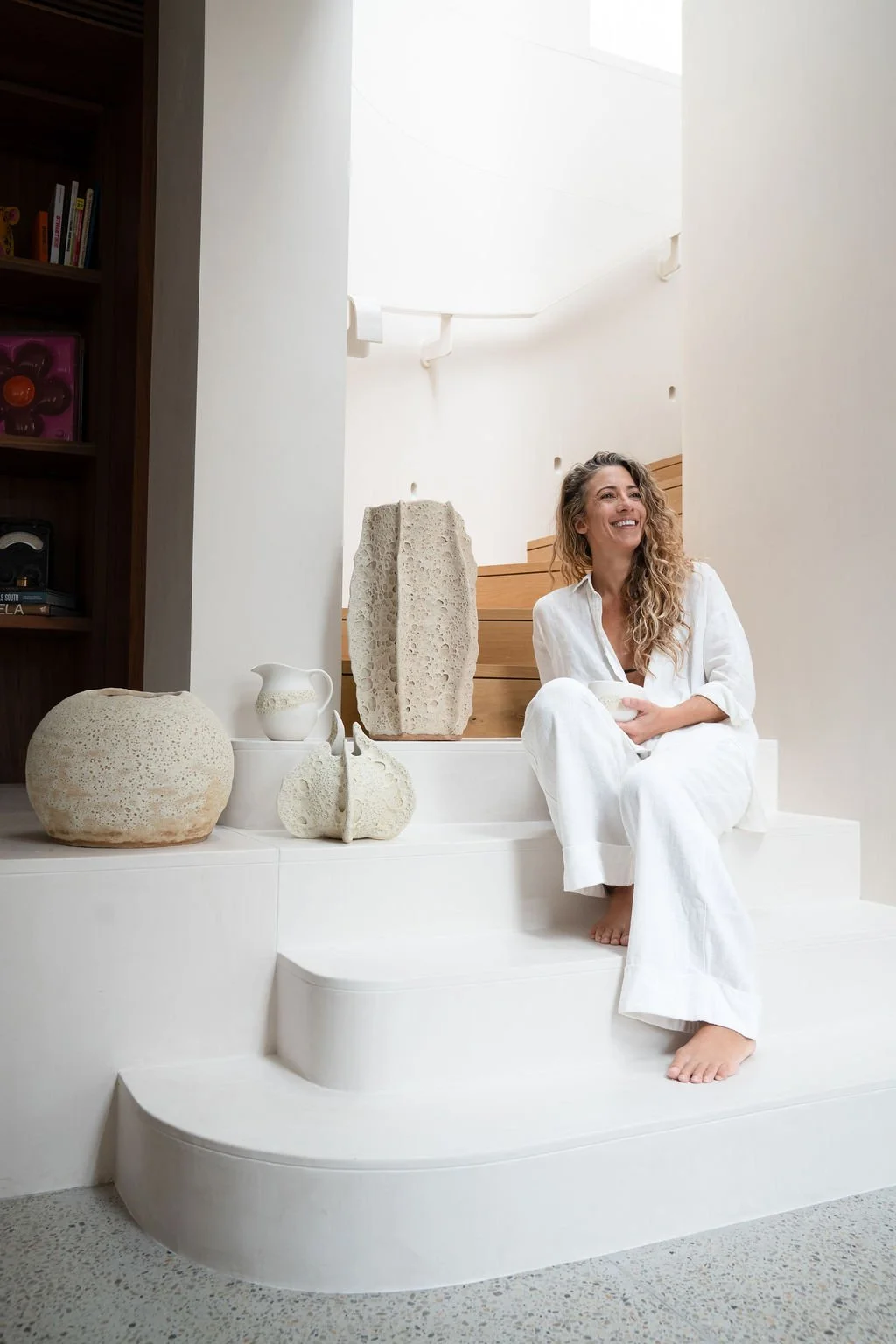
Featured in Home Beautiful: Sate of the Art
A little pinch-me moment — my work has been featured in Home Beautiful as part of their State of the Art feature. I’m sharing the full article, a little of the story behind my journey into ceramics, and what’s coming next as I prepare to exhibit at Affordable Art Fair Sydney this November.
There’s something very surreal about seeing work you’ve made with your own hands end up in the pages of a magazine.
I’m incredibly excited to be featured in Home Beautiful as part of their State of the Art feature, alongside an amazing line-up of Australian artists exhibiting at the Affordable Art Fair Sydney this November.
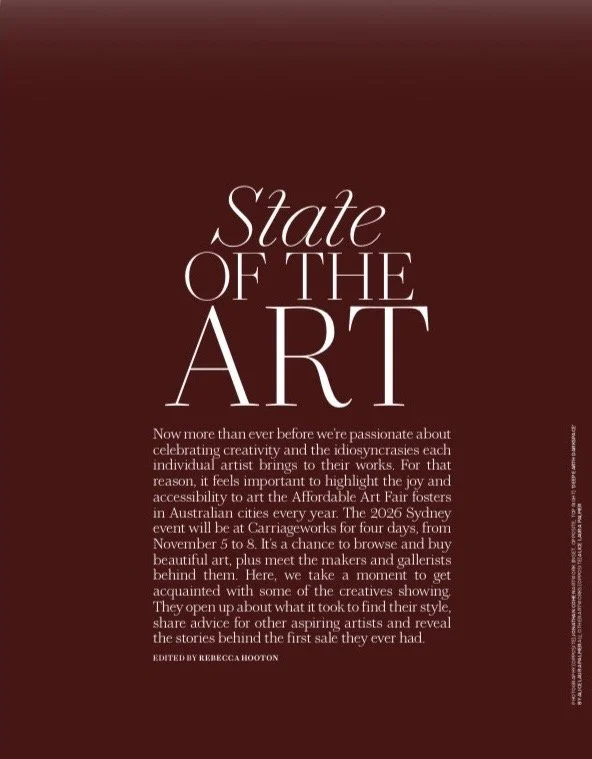
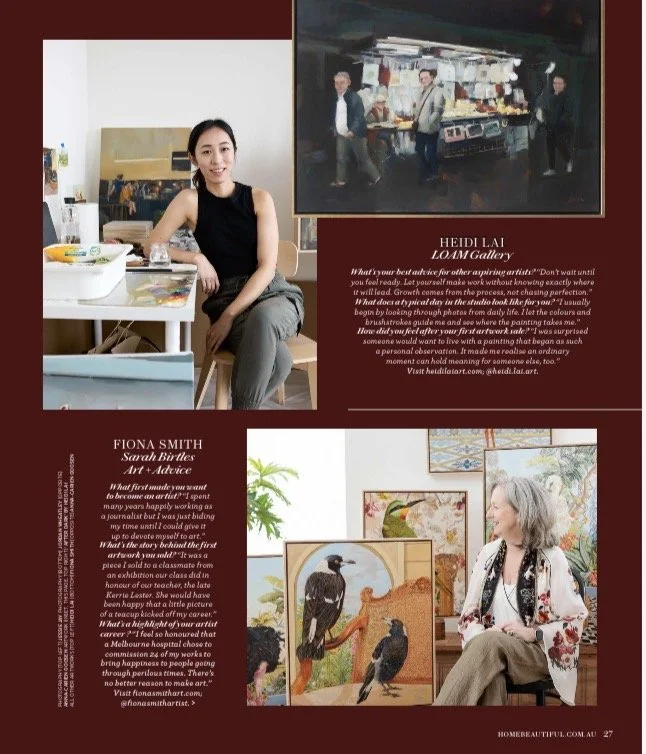
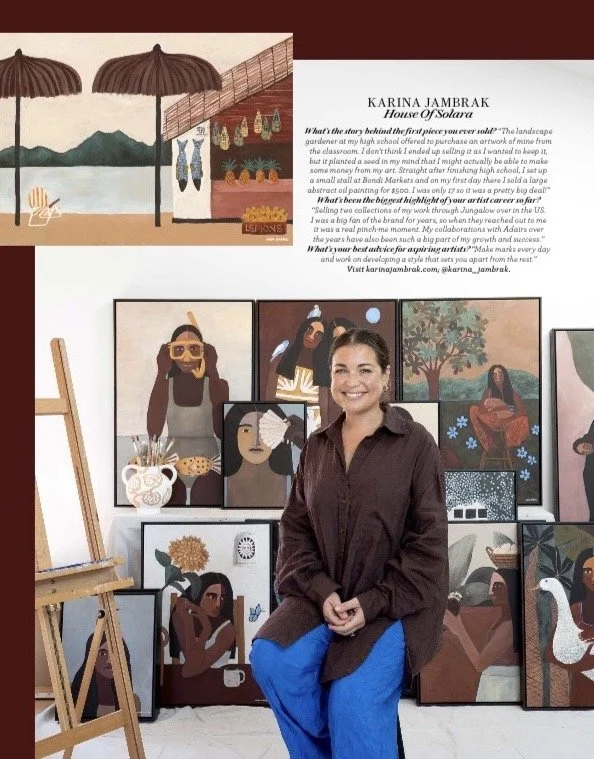
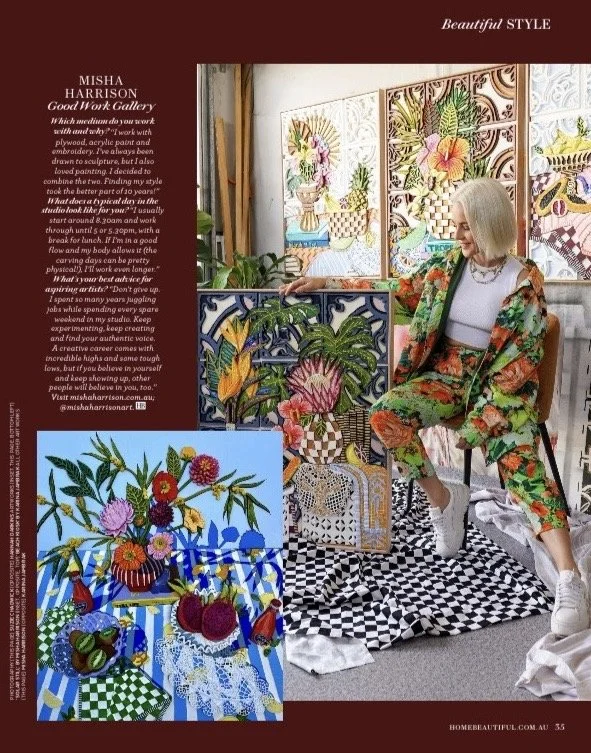
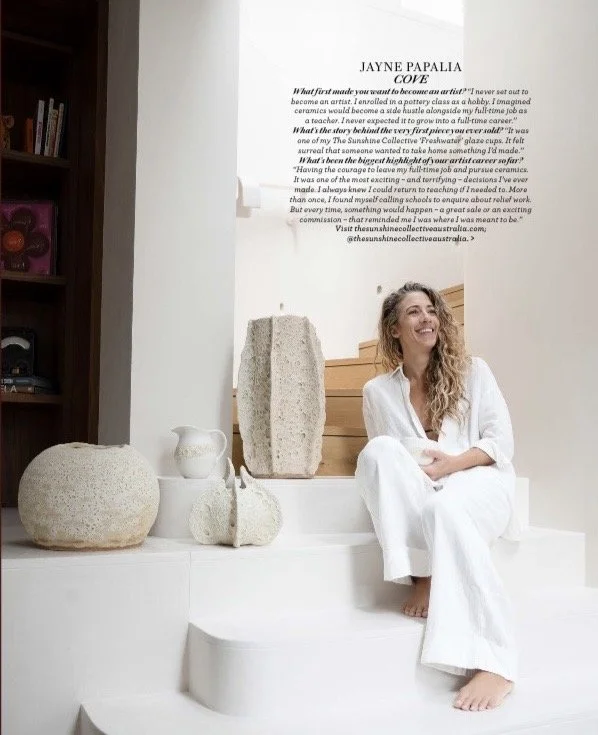
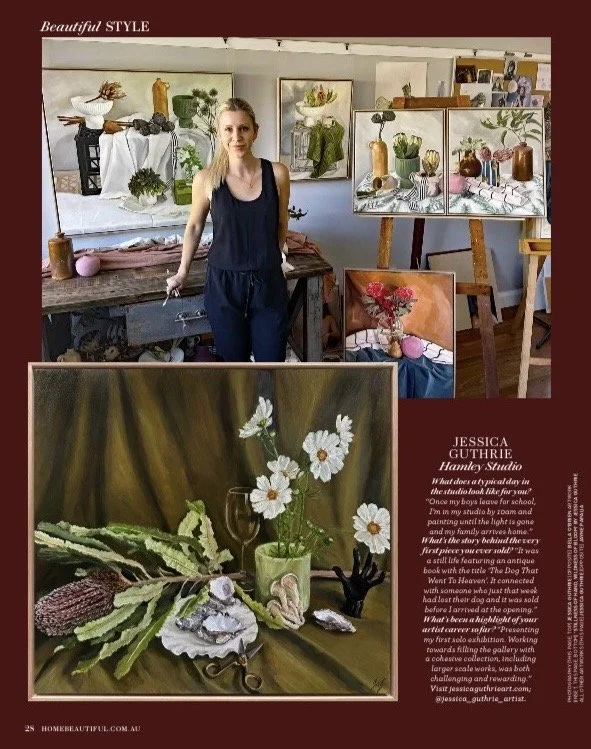
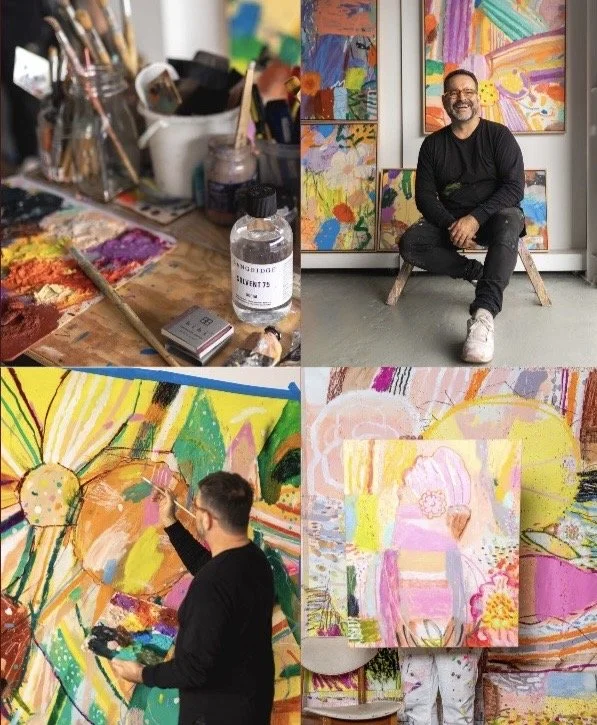
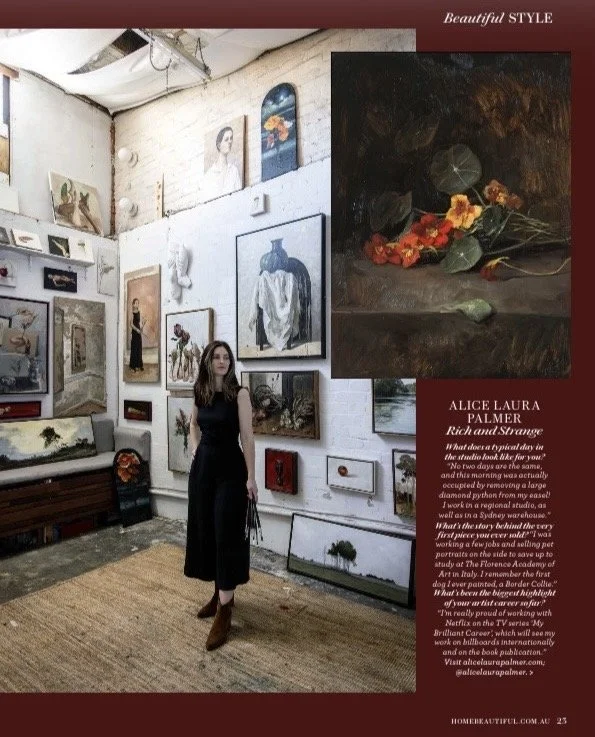
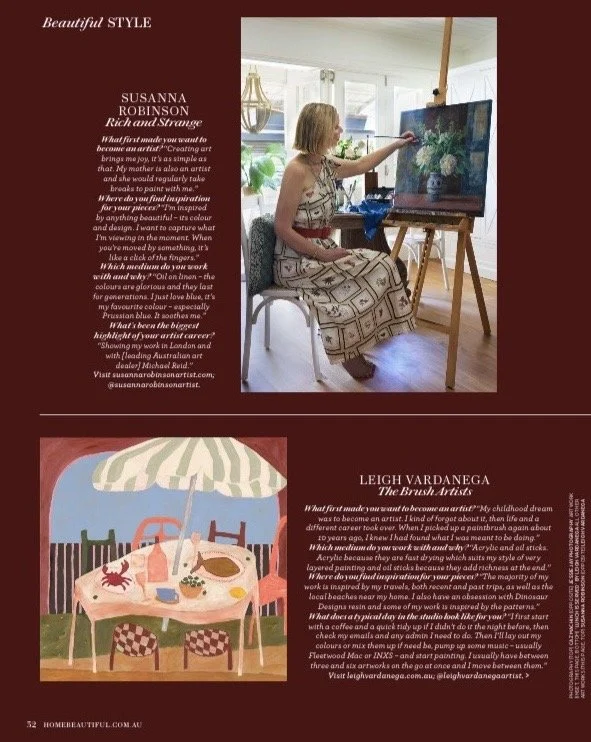
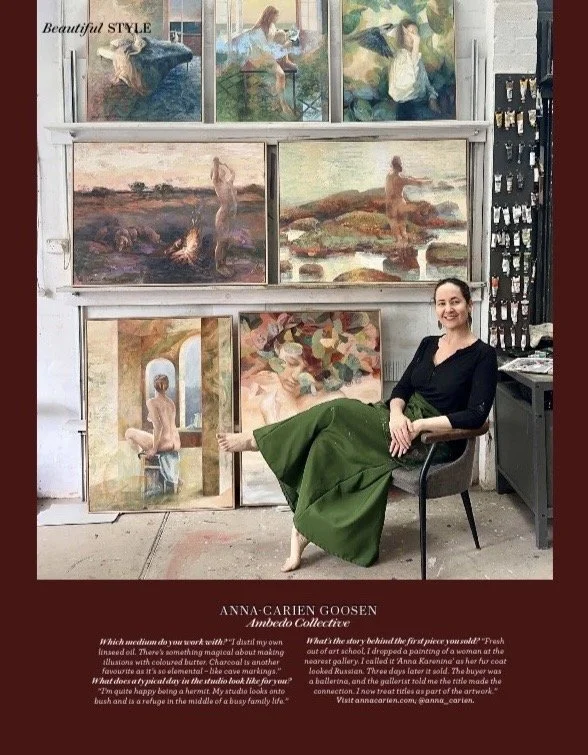
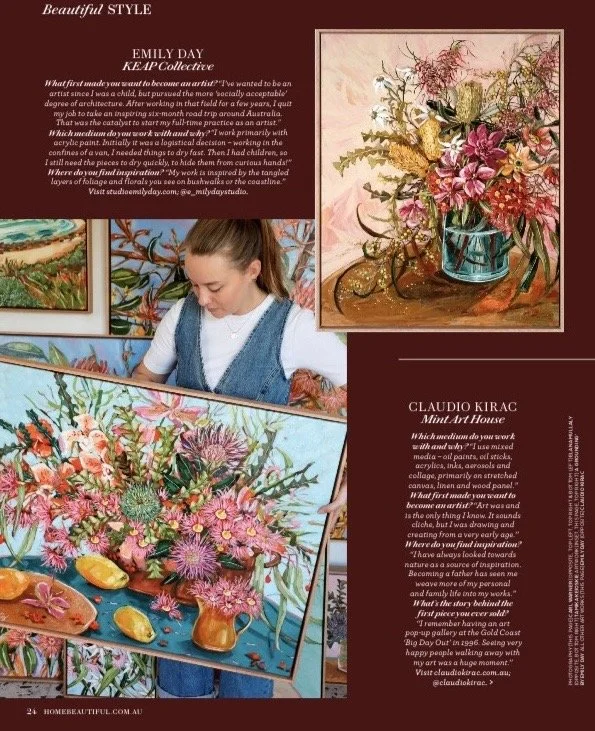
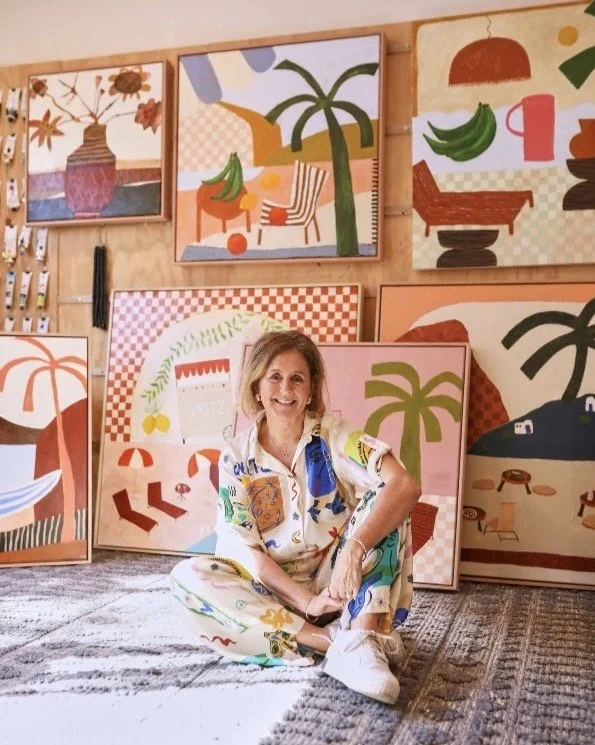
My journey with ceramics started as something I was simply curious about. What began as a creative outlet quickly became something much bigger, eventually leading me to leave my full-time career, establish The Sunshine Collective, open my studio on Sydney’s Northern Beaches and develop my own sculptural practice.
Over time, my work has evolved from predominantly functional ceramics into larger, one-of-a-kind sculptural pieces. My current work is heavily influenced by the Australian coastline—the movement of water, eroded rock formations, weathered surfaces and the textures and forms created by nature over time.
Being recognised by Home Beautiful at this point in that journey feels pretty special.
What first made you want to become an artist?
I never set out to become an artist. I enrolled in a pottery class as a hobby. I imagined ceramics would become a side hustle alongside my full-time job as a teacher. I never expected it to grow into a full-time career.
What’s the story behind the very first piece you ever sold?
It was one of my The Sunshine Collective ‘Freshwater’ glaze cups. It felt surreal that someone wanted to take home something I’d made.
What’s been the biggest highlight of your artist career so far?
Having the courage to leave my full-time job and pursue ceramics. It was one of the most exciting – and terrifying – decisions I’ve ever made. I always knew I could return to teaching if I needed to. More than once, I found myself calling schools to enquire about relief work. But every time, something would happen – a great sale or an exciting commission – that reminded me I was where I was meant to be.
Visit: www.thesunshinecollectiveaustralia.com
@thesunshinecollectiveaustralia
Next stop: Affordable Art Fair Sydney
The feature comes at an exciting time, with preparations now well underway for Affordable Art Fair Sydney this November.
I’ll be exhibiting with COVE, alongside a group of Northern Beaches artists who have shared my studio over the years and become close friends.
COVE is an idea that has been quietly taking shape for some time, so seeing it come to life at the fair—and bringing all of our work together in one space—feels like the beginning of something much bigger.
I’ll be presenting a collection of sculptural ceramic works created especially for the fair, alongside pieces from my ongoing practice.
For now, it’s very much back to the studio, making, firing and trying not to think too hard about how quickly November is approaching.
A huge thank you to Home Beautiful and the Affordable Art Fair team for the feature and for including my work in such a brilliant group of artists. Definitely one for the “is this actually happening?” file.
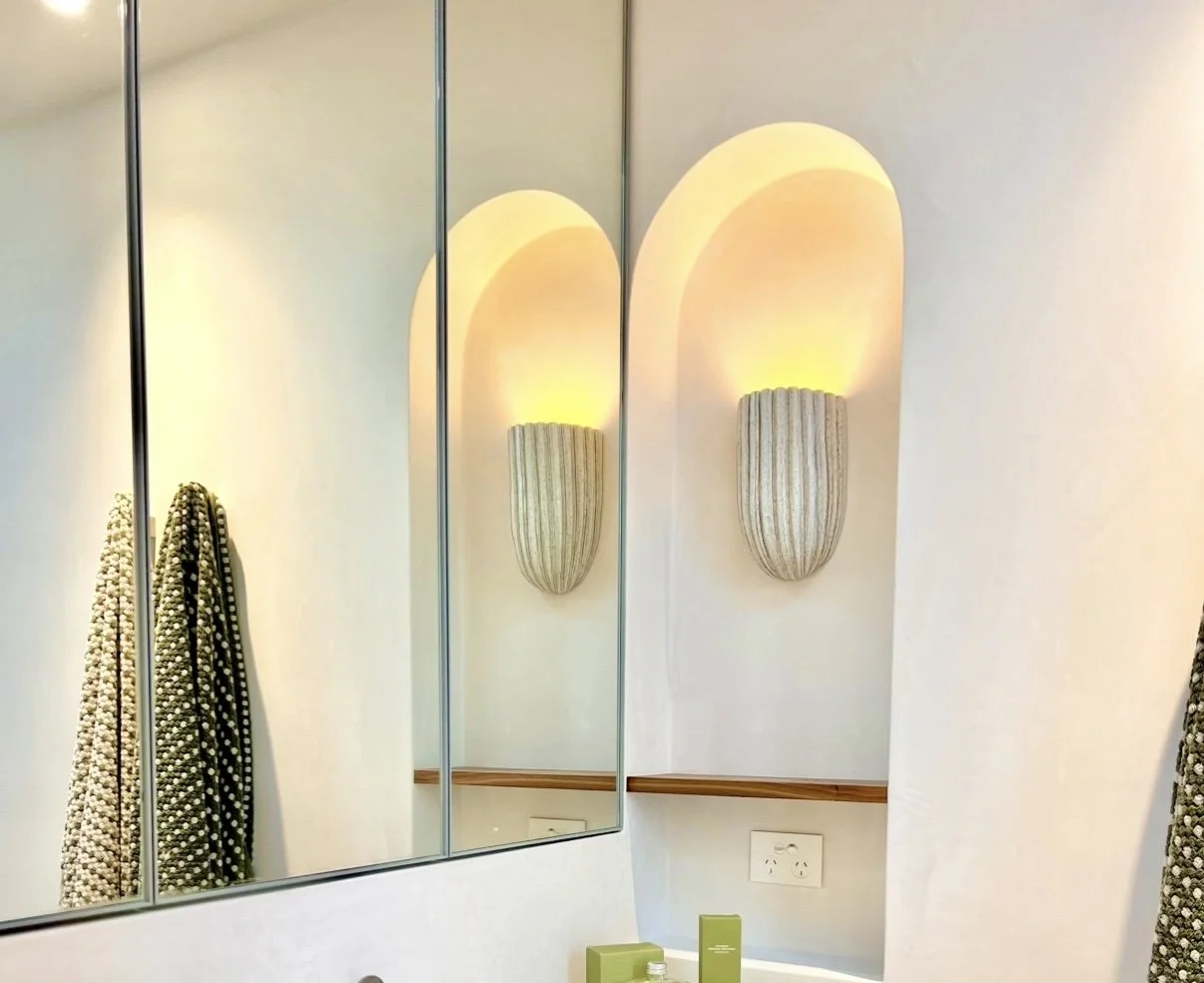
Lighting with Intention: Custom Ceramic Fixtures for The Surf House Build. In Collaboration with Nic.E Ar
A behind-the-scenes look at a custom ceramic lighting collaboration for The Surf House Build, exploring how clay, light, and form come together to create sculptural fixtures designed to live permanently within a space.
As my practice continues to evolve beyond functional ceramics, lighting has become an important way for me to explore the relationship between clay, space, and atmosphere. This project for The Surf House Build marked a meaningful step in that direction — a collaboration rooted in shared values, thoughtful design, and handcrafted detail.
When Nic from Nic.E Art approached me with her vision for the Surf House, her brief was clear: custom ceramic lighting that felt coastal, organic, and deeply connected to the layered interiors of the home. She came to me with a series of sketches — playful yet grounded forms with soft curves and sculptural restraint — and together we began the slow process of translating those ideas into functional ceramic pieces designed to live permanently within the space.
Two Custom Designs: Lully & Bay
We developed two distinct wall sconce designs, both hand-built using slab construction to preserve texture, movement, and the quiet irregularities that give handmade work its character.
The Lully Sconce
Designed for the master bedroom, Lully has a more angular, architectural silhouette. Its clean lines and grounded form create a striking contrast against the room’s softer elements, while a subtle scalloped edge introduces an unexpected softness — a quiet nod to the ocean just beyond the walls.
The Bay Sconce
Created for the bathrooms, Bay leans into rounded curves and a gentler profile. Its form feels calm and intuitive, offering warmth and ease in some of the home’s most intimate spaces.
Each piece was finished in earthy, coastal-inspired tones — matte, textural surfaces designed to sit harmoniously within the Surf House’s natural palette.
From Clay to Glow
Creating ceramic lighting is as much about problem-solving as it is about form. Before shaping the clay, we carefully sourced suitable lighting components and mounting hardware to integrate seamlessly with each design. Installation methods, light angles, and diffusion were all tested to ensure the pieces functioned beautifully while maintaining their sculptural presence.
Once installed, each sconce offers a soft, ambient wash of light — subtle, calming, and intentional.
A Natural Extension of My Practice
The Surf House Build is filled with considered design moments, and it was a privilege to contribute work that responds so directly to place, material, and atmosphere. These custom ceramic fixtures sit at the intersection of function and sculpture — objects designed not only to illuminate, but to anchor a space.
This project reflects a growing direction within my practice, where lighting and architectural elements become another way to bring the outdoors in, allowing clay, texture, and light to quietly shape how a space is experienced.
I’m incredibly grateful to Nic for the collaboration and proud to see these pieces now living within such a thoughtful, beautifully layered home.
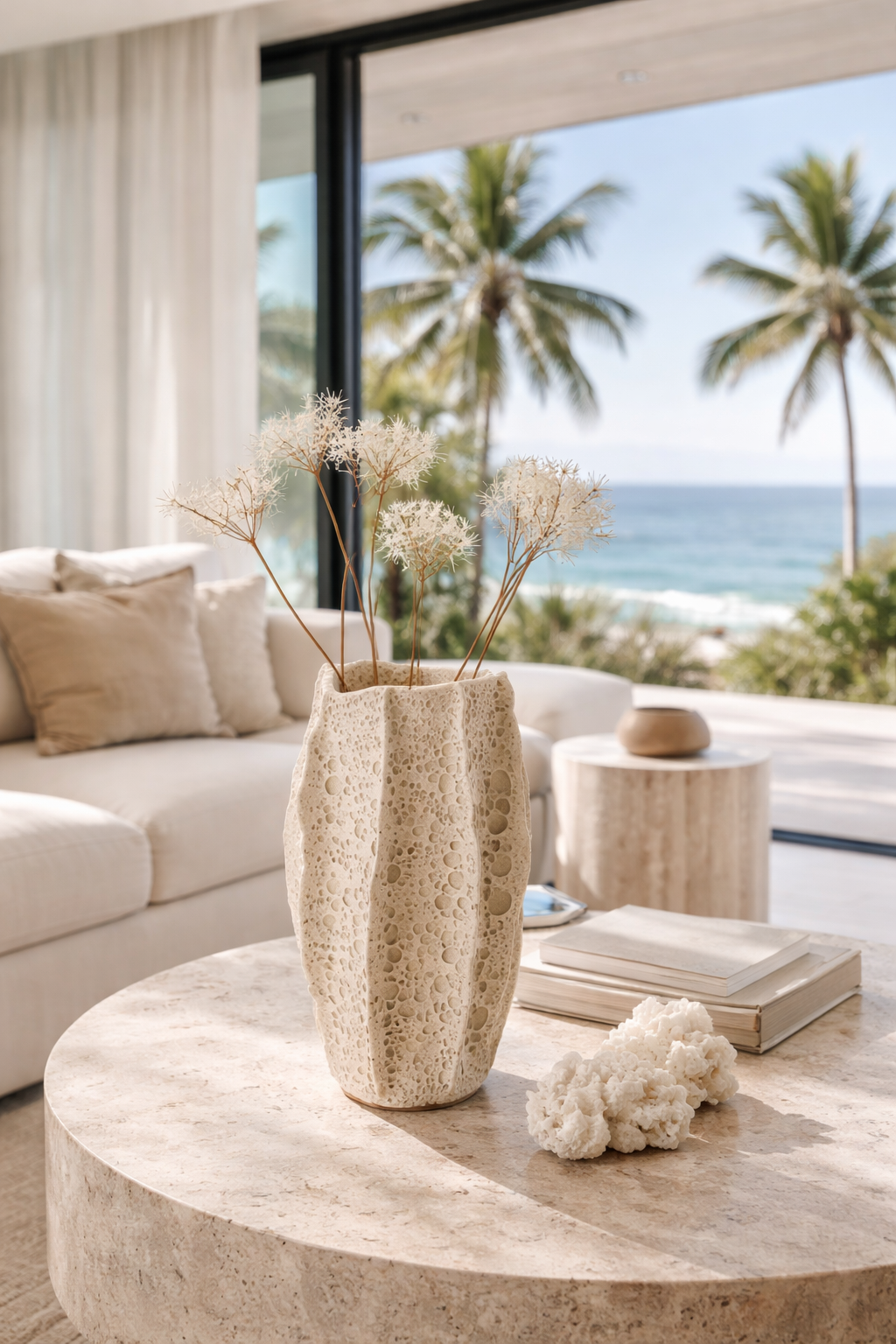
Bringing the Outdoors In: Organic Forms in Coastal Interiors
Why organic forms- curved, irregular and hand-shaped - feel at home on coastal interiors.
Coastal interiors are often defined by colour — soft blues, sandy neutrals, light-filled spaces. But for me, the true connection to the coast goes deeper than palette. It begins with form.
There’s something grounding about bringing elements of the natural world indoors — not in a polished or overly styled way, but through shapes that feel imperfect, tactile, and alive. Organic forms carry that connection quietly, through movement, texture, and subtle variation.
Letting nature lead the shape
Organic forms are shapes found in nature. They’re irregular, flowing, and rarely symmetrical — the gentle curve of a shell, the weathered edge of driftwood, the soft rise and fall of a shoreline.
In ceramic work, these forms show up naturally. Hand-pinched bowls, vessels with slight movement, silhouettes that shift from piece to piece. There’s no hard geometry and no attempt at uniformity — just forms that feel shaped by hand, time, and process.
Each piece holds its own quiet character.
Why organic forms belong in coastal spaces
Coastal living — or even the desire for it — often comes with a longing for ease. Organic forms help bring that feeling indoors.
They soften a space, breaking up the straight lines of cabinetry, joinery, and tiled surfaces. A sculptural ceramic lamp base, an irregular platter on a dining table, or a hand-built wall sconce introduces movement and warmth without overwhelming a room.
These pieces also invite touch. In contrast to smooth, manufactured finishes, a rippled surface or uneven edge reminds you that something was made slowly, by hand. That it carries intention. That it’s meant to be used, lived with, and noticed.
Ways to bring organic form into your home
There’s no need to overhaul a space to introduce organic elements. Often, a few considered pieces are enough.
Lighting
Ceramic wall sconces or pendants with curved silhouettes and natural finishes act as both functional lighting and sculptural objects, casting softer shadows and adding depth.Sculptural pieces
Oversized vessels or forms that exist simply to hold space — adding texture, weight, and calm to a room.Serveware
Bowls and platters that aren’t perfectly round, but feel right on a long table shared with others.Natural textures
Linen, raw timber, stone, and clay — materials that age gracefully and feel better over time.
From coast to clay
Working with clay has sharpened my awareness of how imperfect nature really is — and how beautiful that imperfection can be. The coast, in particular, offers endless variation: shifting light, changing tides, repeated forms that are never exactly the same.
That influence finds its way into the studio not as literal references, but as feeling — quiet repetition, softness, and movement.
Bringing the outdoors in isn’t about decorating with shells or coastal motifs. It’s about choosing forms, materials, and details that feel grounded. That slow a space down. That gently echo the landscape beyond the walls.
From the studio
This post is part of Studio Notes, a continuing journal exploring form, process, and the coastal influences behind our work.
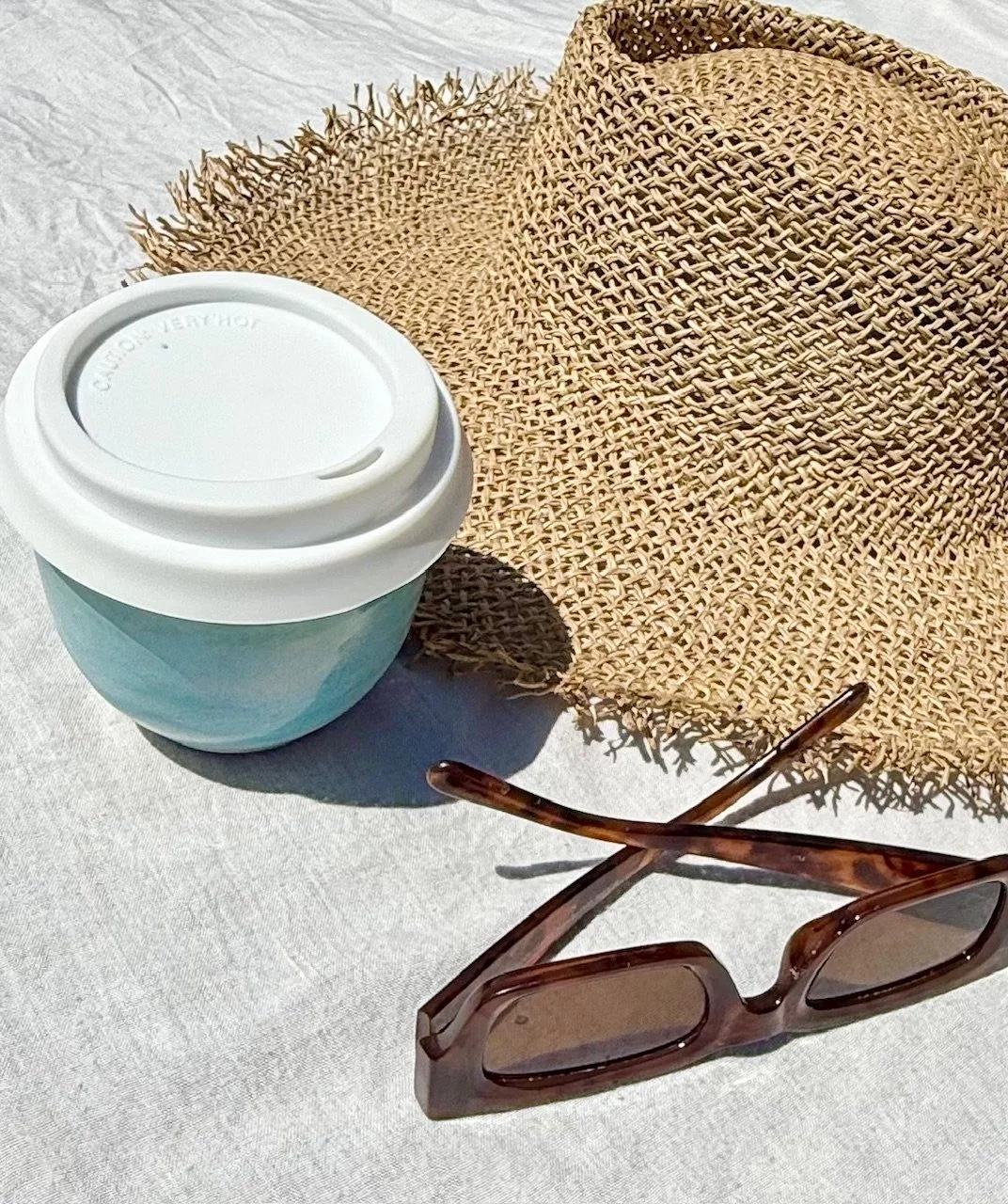
Where It All Began: The Story Behind Our Freshwater Glaze
I still remember the exact moment this glaze began — sunrise breaking over Freshwater Beach, salt on my hair, and the quiet rhythm of the studio shaping everything that followed.
I still remember the exact moment this glaze began — sunrise breaking over Freshwater Beach, salt on my hair, and the smell of damp clay in my studio. I had just moved from Western Australia chasing sunshine, but I found something deeper: a rhythm of slow mornings and sea-salted air that seeped into everything I made.
Freshwater has a way of slowing things down. Over time, its early mornings, soft light, and steady rhythm became part of my everyday, and naturally found their way into the studio. That feeling — calm, grounded, unhurried — became the foundation for what would later become our Freshwater Glaze.
Letting place guide the process
Freshwater Glaze wasn’t designed to follow a trend or make a statement. It emerged gradually, shaped by observation and repetition. Walks along the shoreline, light shifting across the water, sand drying on skin — these small, familiar moments began to influence the colours and textures I was drawn to.
In the studio, that translated into soft blues, washed whites, and sandy undertones. Nothing loud. Nothing overly glossy. Just a palette that felt gentle and lived-in, like something already familiar.
Trial, error, and quiet refinement
Like most things in ceramics, the glaze came together through trial and error. Some early tests were too flat, others too sharp or too shiny. A few firings didn’t work at all. But each one revealed something — a balance to refine, a surface to soften, a tone to warm.
Over time, the glaze settled into what it is now: layered, subtle, and responsive to the clay beneath it. No two pieces are exactly the same, and that variation is part of its character. It reflects the way the coast itself changes with light, weather, and season.
Designed for everyday rituals
Freshwater Glaze is inspired by the coast, but it’s made for daily use.
These are pieces designed to be reached for each morning — cups held in both hands, bowls placed at the centre of the table, ceramics that move naturally through everyday rituals rather than being saved for special occasions. They’re made to feel comfortable, grounding, and familiar from the first use.
At the heart of this glaze is a belief that functional objects can also carry meaning — that beauty doesn’t need to be precious, and that the things we use most often deserve care and intention.
What it represents now
Today, Freshwater Glaze sits at the core of The Sunshine Collective. It reflects not just a colourway or finish, but the way the studio approaches making — slowly, thoughtfully, and with a strong connection to place.
It’s a reminder that inspiration doesn’t always arrive in big moments. Sometimes it’s found in routine, in repetition, and in paying attention to what’s already around you.
Freshwater Glaze is our way of bringing a little of that calm into everyday life — wherever these pieces end up living.
From the studio
This story is part of Studio Notes, an ongoing journal sharing the places, processes, and quieter moments behind our work. New posts are added as they unfold, shaped by the studio, the seasons, and the coast.